The coffee we drink. The flowers we give. The food we eat. The air we breathe.
Behind each is a source: a place, an ecosystem, a community, and a story most of us never see.
Sense of Source goes there. We trace the things we consume back to where they begin, documenting the people, environmental impacts, challenges and solutions we find along the way.
"Because Once You Understand The Source, You Can Make Choices That Matter."

Get closer to where things begin, and you find the beauty, the cost, and the human story behind the finished product.
A career spent at the source taught our founder one thing: beauty and difficulty almost always travel together. Sense of Source turns that instinct into a platform: following food, water, commodities, culture, and conservation back to where they begin.
Every story follows the same path:
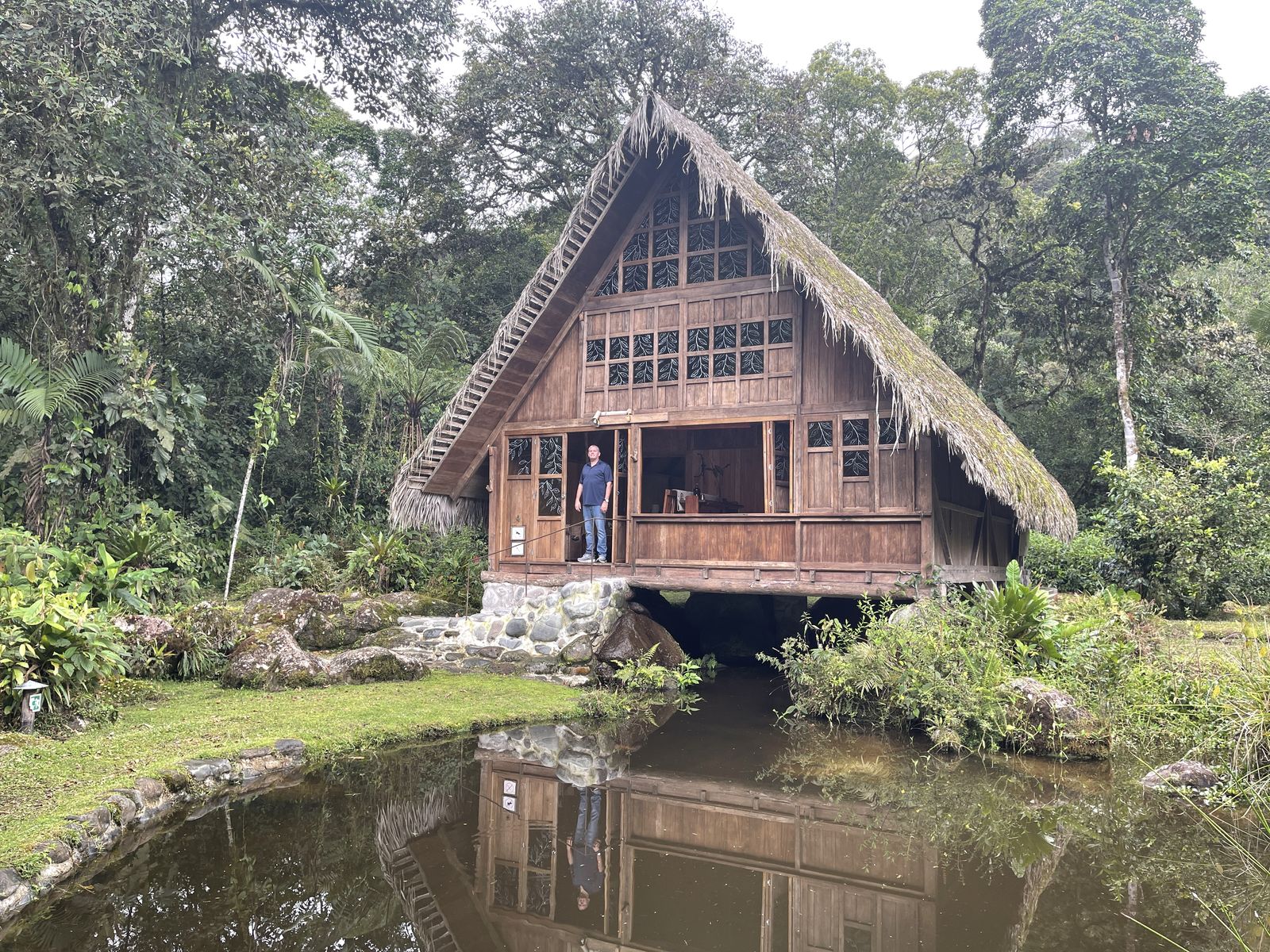


From the Andes to the Amazon.
Long before the Amazon, founder Robert McLaughlin spent almost four decades with the flower growers high in the Andes, beneath the snow-capped volcanoes of Ecuador: and across the great rose farms of Ecuador and Colombia.
He has gone to the source of flowers, coffee, quinoa, and vegetables throughout Central and South America. Sense of Source grows directly from that instinct: to stand where things begin, and tell the story from there.
Sources he has followed:
Where Sense of Source begins. A real river expedition following the Amazon watershed from the remote tributaries of eastern Ecuador into Peru: and onward to Iquitos. Not the commercial route. The small rivers, the uncharted stretches, and the territory almost no one crosses.
The standard way from Coca to Iquitos is straight down the Napo: a known, travelled commercial route. We are not taking it.
Our outbound route runs the small river systems instead: the Shiripuno, the Cononaco, and the Curaray: through Waorani territory, past areas where uncontacted groups have attacked, across stretches that remain uncharted, and on into Peru before reaching the Amazon.
We have found no modern record of an expedition reaching Iquitos by these river systems. The return will be the easy way: straight up the Napo.
Navigation maps chart what people travel — and almost nobody travels here. Drag the handle across any of the frames below. On the standard map these rivers are an unbroken green void, or a charted stretch of blue that starts, runs a few bends, and simply ends. Switch to satellite and the water is unmistakable: bend after bend, mile after mile, running clean across the frame. The rivers are there. The charts are not.

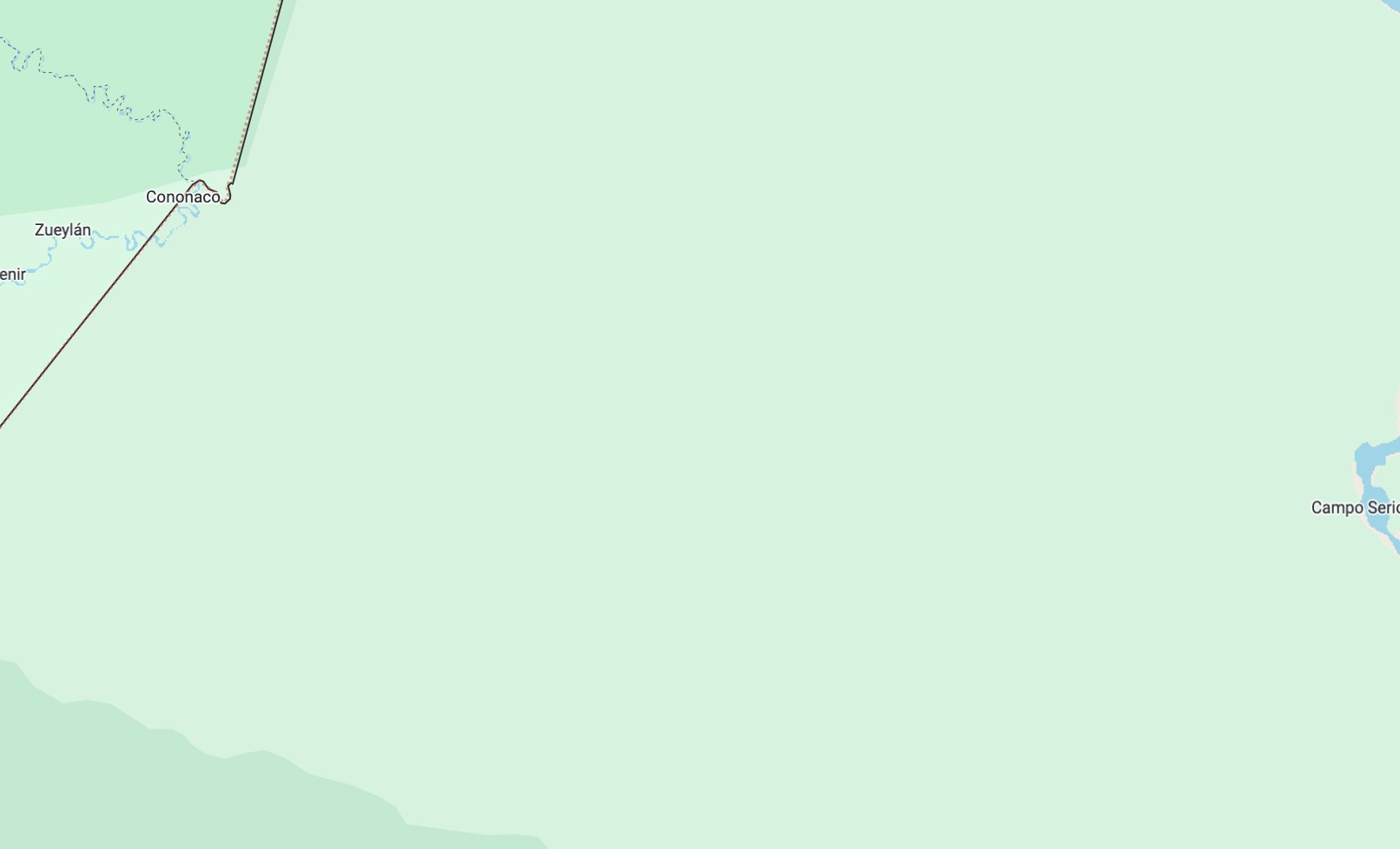

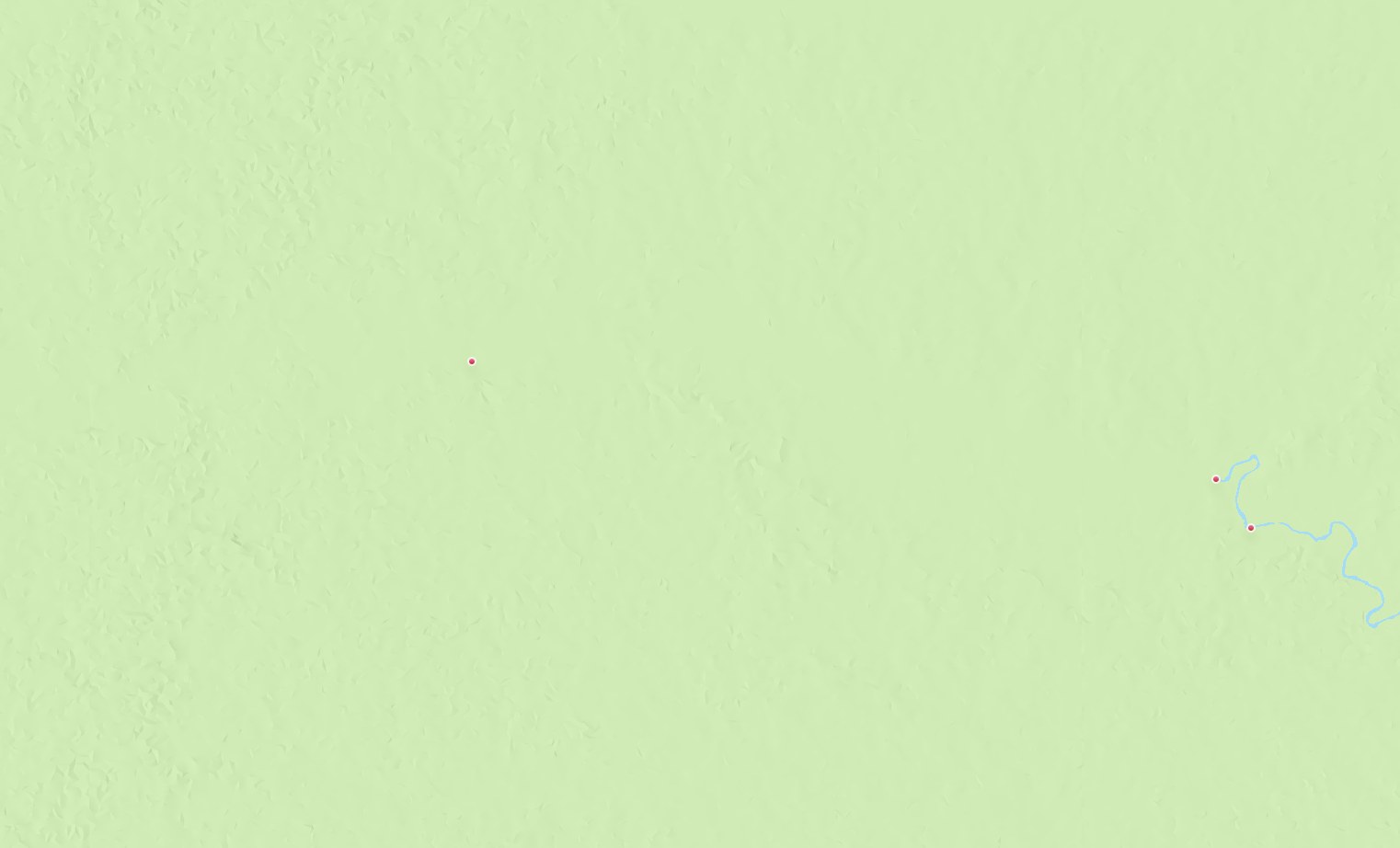

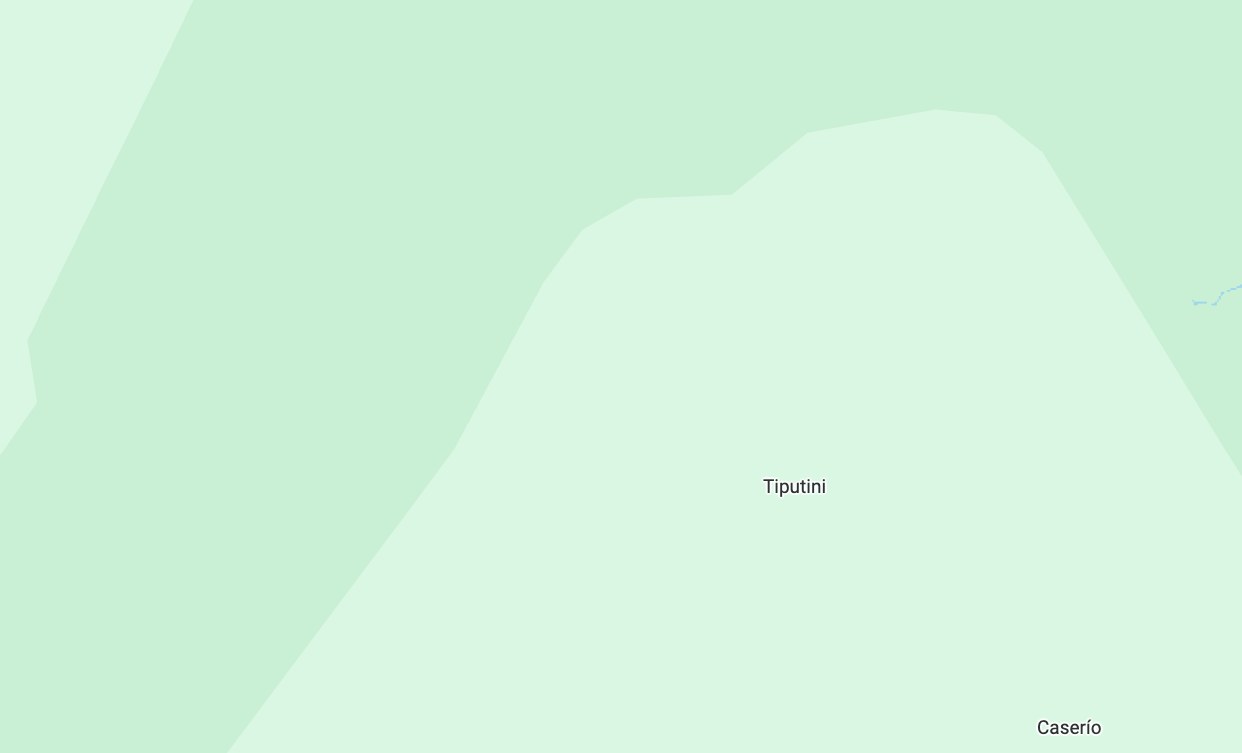
We are connecting five systems into a single line of water from the Ecuadorian headwaters to Iquitos and back. Much of that line does not exist on the maps people navigate by. We chart it as we travel it.

Thirty-plus days through remote, often uncharted river where reliability isn't a feature: it's survival. Every day is documented: interviews, wildlife, community stops, and the changing river economy, from quiet tributary to the roar of Iquitos.
We are not romanticising this. The outbound leg is genuinely dangerous, and we plan for it honestly: because the places that are hardest to reach are exactly the places whose story never gets told.
We take the risk seriously: Waorani-led navigation, satellite communication, medical protocols, and the discipline to turn back. But a story worth telling rarely sits somewhere safe.
The Amazon is the first franchise, not the whole brand. The same lens travels to new places, industries, and stories: building one audience that grows with every chapter. From 2028 the slate moves to one expedition a year, plus one to three shorter field exposés.
1,650 river miles, Coca to Iquitos and back: the anchor story and proof of the platform.
Expedition scale again, this time on salt water: the archipelago that taught the world how life diverges, and the clearest place to ask what protecting it actually costs.
Tom and Mariela at El Monte, in the Mindo cloud forest: the same conservationists who helped build our Amazon crew's own lodge, running a second, entirely different ecosystem.
Ryan Lynch and Third Millennium Alliance, piecing a nearly vanished coastal forest back together one reserve, one ranger patrol, and one cacao tree at a time.
Greenhouses of roses under shade cloth in the high Andes: the cash crop that took founder Robert McLaughlin to Ecuador almost four decades ago, and the same growing region where he later met the conservationists now running El Monte.
Royal FloraHolland's flower auction in Aalsmeer runs out of one of the largest buildings on Earth, roughly 200 football fields under one roof, with an 18-kilometer internal shuttle moving blooms before dawn. The tulip fields of Holland spread out just beyond it.
Kenya's rose farms supply much of the world's Valentine's Day flowers, grown in the country Prince William calls his second home: he proposed to Kate Middleton at a remote cabin near Mount Kenya in October 2010.
Fynbos and protea, native to nowhere else on Earth, grow wild across South Africa's Cape: a flower trade built on a landscape that cannot be replicated anywhere.
Cacao growers in Ecuador, working the same agroforestry model that keeps the coastal forest standing along Ryan Lynch's reserves.
Fruit and vegetable growers across Ecuador's valleys, feeding markets far beyond the country's borders.
Otobo's Amazon Safaris and the luxury eco-lodges now operating deep in the rainforest: proof the Amazon can be seen without being extracted from.
A working cattle ranch at the foot of Cayambe, an active volcano, high in the Ecuadorian Andes.
One of the oldest and largest indigenous markets in the Americas, high in the Andes.
Pond-raised shrimp outside Guayaquil, one of Ecuador's largest export industries.
Coffee growers in the mountains of Colombia: a future chapter in the same source-to-sea format.
Panela, unrefined whole cane sugar boiled down on small trapiches across rural Colombia: a source story most of the world has never heard of, from the same mountains as its coffee.
Quinoa growers high on the Bolivian altiplano, the origin point of a crop that reached kitchens worldwide.
Tierra del Fuego National Park, Argentina: established in 1960 and the only national park in the country where Patagonian forest runs straight down to the sea, at the southern end of the continent, a fitting bookend to the source-to-sea idea.
From cloud-forest headwaters to the open ocean: everything downstream is shaped by the source.
Amazon adventure, wildlife, and conservation draw a large global audience: and we're building our own. Ahead of the expedition, a coordinated campaign across traditional media, social, and PR raises awareness of the journey, then carries that momentum into every episode that follows.


Output spans a feature documentary, an episodic series (roughly 15 episodes), short-form social, photography, and a podcast: an organized content library, not a single release.
Founder Robert McLaughlin has spent four decades taking national audiences to the source: as a pioneer of sustainable floriculture. When Organic Bouquet's six-foot roses appeared on ABC's The View, the company became the #1 Google search of the day.
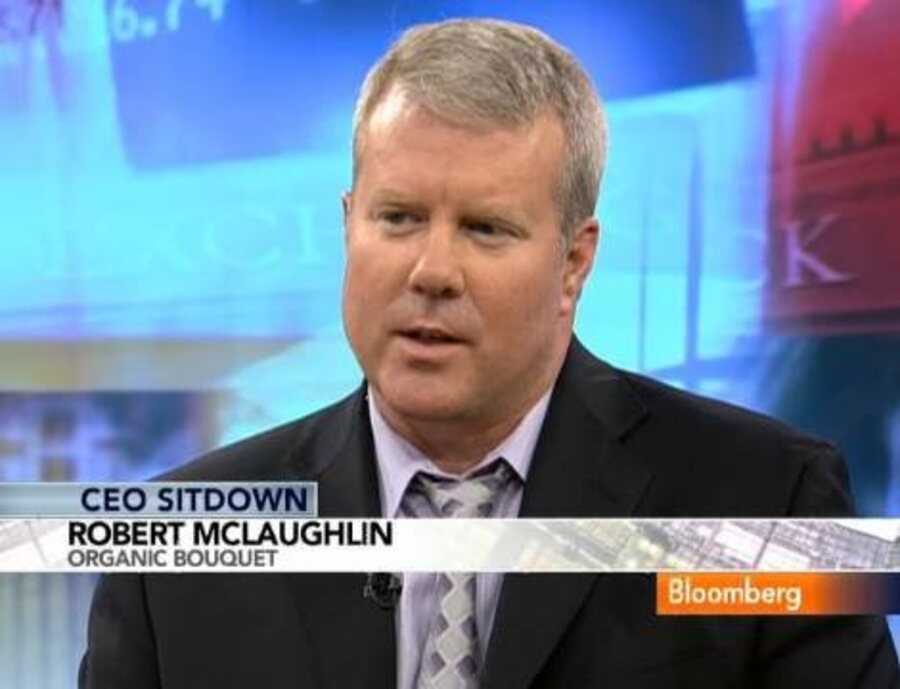
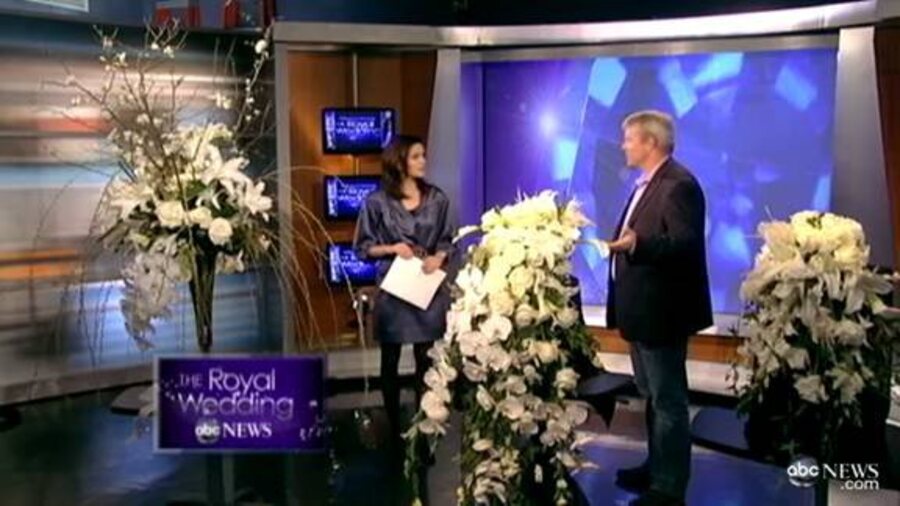
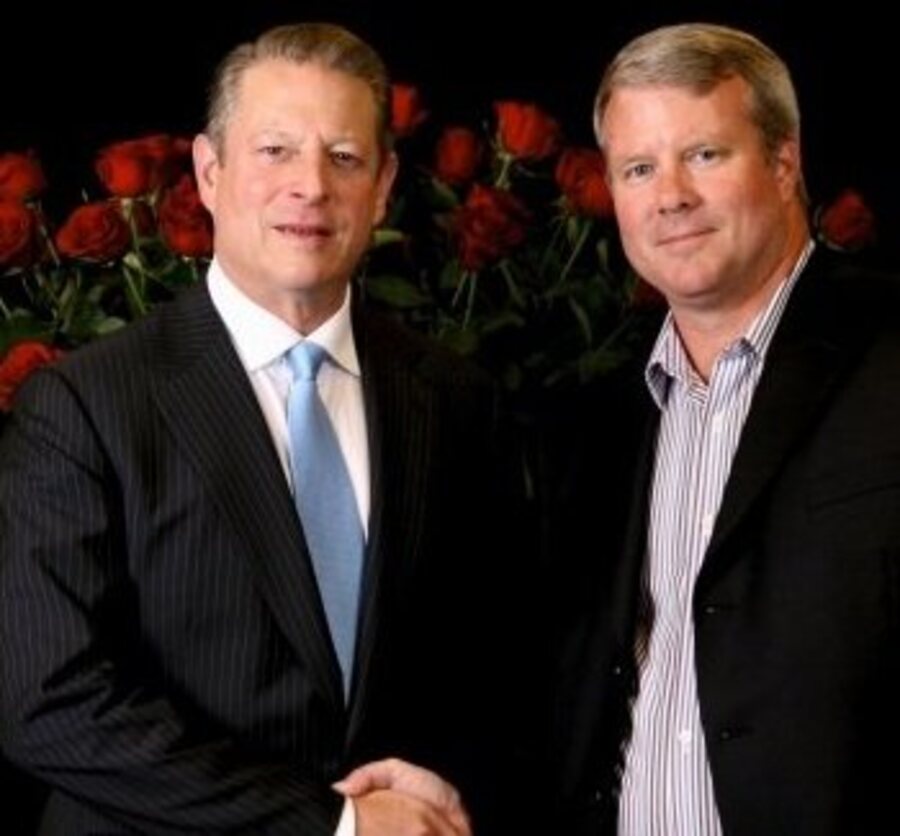
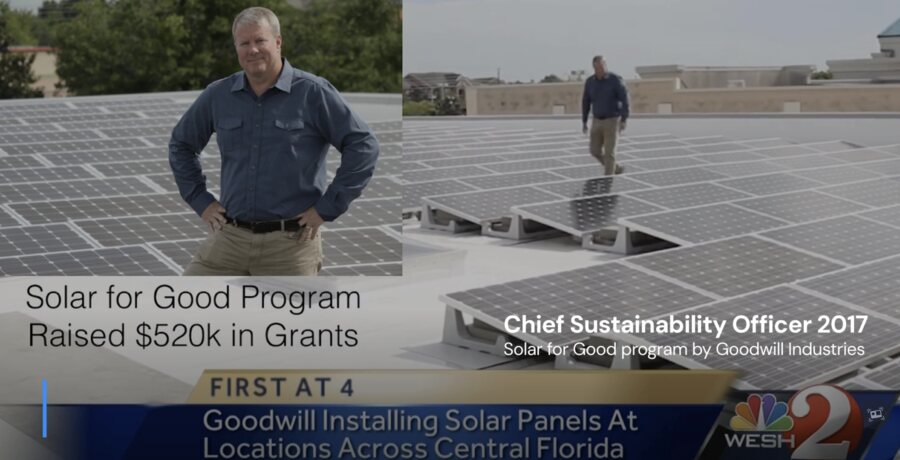
That media instinct now powers the expedition: a coordinated traditional, social, and PR campaign ahead of departure: building into every episode that follows.
Nearly four decades with flower growers high in the Andes, beneath Ecuador's snow-capped volcanoes: and at the source of coffee, quinoa, and vegetables across Central and South America. Founder of Florida Fresh Events, and the audience's point of entry to the story.

An indigenous Waorani naturalist, hunter, and conservationist from the community of Boanamo in the Ecuadorian Amazon. He gained international recognition as a central figure in the award-winning documentary Yasuni Man (2016), directed by Ryan Killackey. On the expedition he is our navigator, wildlife interpreter, and central field voice.

Founders of El Monte Sustainable Lodge in Mindo (est. 1998), Mariela: Ecuadorian: and Tom: American: are pioneering cloud-forest conservationists and champions of community-owned ecotourism, and the couple who helped Otobo start his Amazon safari. They join the expedition as teammates: providing valuable in-country logistical support, data collection in the field, and deep local and cultural knowledge across the Andes-to-Amazon corridor.
We're assembling a small, selective group of partners. Category exclusivity is available at every tier: and one lead marine partner will own the water franchise.
The always-visible lead partner. “Amazon Source Expedition 2027, powered by [you].”
Gear genuinely used and demonstrated in the field, with authentic performance storytelling.
Equipment integrated into daily expedition life, visible across long-form and social.
Partners who back the conservation and education mission and the broader platform.
Sponsors support the expedition: they don't control its conclusions. That editorial integrity is exactly what protects a partner's association with the work.
What partners receive
Companies sponsor expeditions. Founders fund the foundation behind them: the platform, the community and conservation work, and the part that continues long after the cameras leave. A small group of individuals, joining a year at a time, for work that runs longer than any single expedition.
Tiers, field access and advisory roles are settled in conversation, not on a web page. If the work sounds like yours, the next step is a call.
Partner and Founder conversations are open now, ahead of the 2027 departure. Reach out for the full prospectus, the shot-by-shot journey, and a call.
robert@senseofsource.com